Author name: Theo Blackwell

Design Philosophy

Why Anime Power Scaling Breaks So Many Games

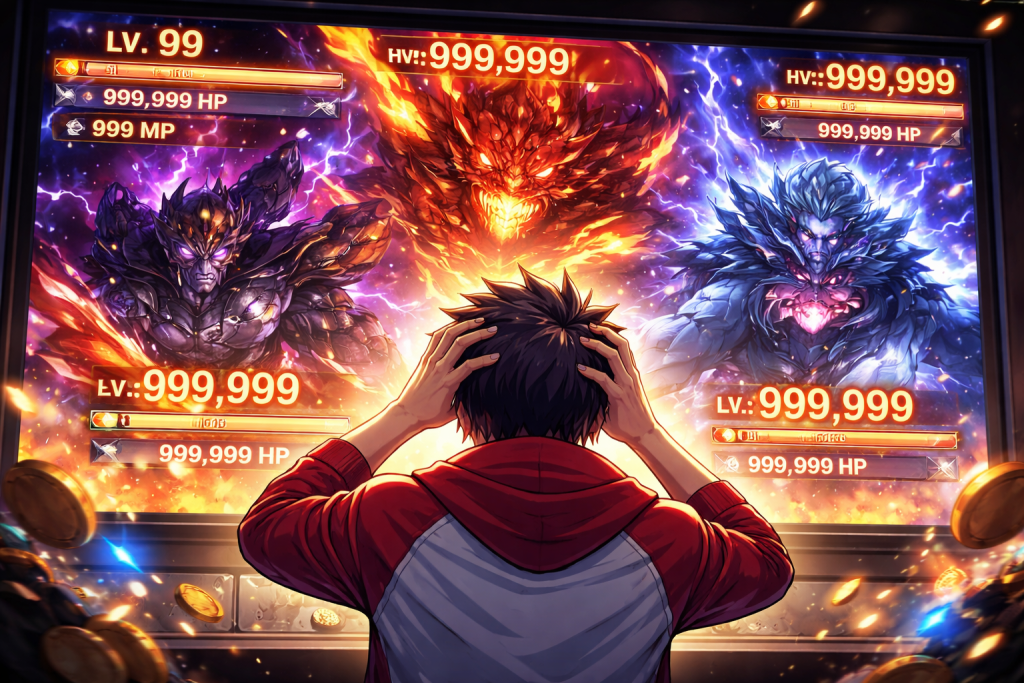
Power scaling is one of anime’s most recognisable traits. Characters grow stronger at dramatic, often exponential rates, unlocking abilities that redefine what is possible within their worlds. While this escalation works well in a narrative medium, it frequently causes serious problems when translated into games. Many anime games struggle not because of poor visuals or weak licences, but because power scaling undermines balance, progression, and player agency.


What Power Scaling Means in Anime

In anime, power scaling refers to the structured increase in character strength over time. Early conflicts establish limits, which are then repeatedly shattered as the story escalates.

Common characteristics include:

  • Sudden leaps in power rather than gradual growth

  • Transformations or forms that dwarf previous abilities

  • Villains designed to outclass everything that came before

This approach sustains tension in long-running series, but it assumes a passive audience. Games, by contrast, require systems that remain coherent under repeated interaction.


Narrative Escalation Versus Mechanical Balance

Anime narratives can afford inconsistency. A character may struggle in one episode and dominate in the next if it serves the story. Games do not have this luxury.

Mechanical balance depends on:

  • Predictable cause-and-effect relationships

  • Clear limits on damage, speed, and survivability

  • Fair interaction between

Critical Analysis

Fan Service vs Function: When Visual Accuracy Hurts Gameplay

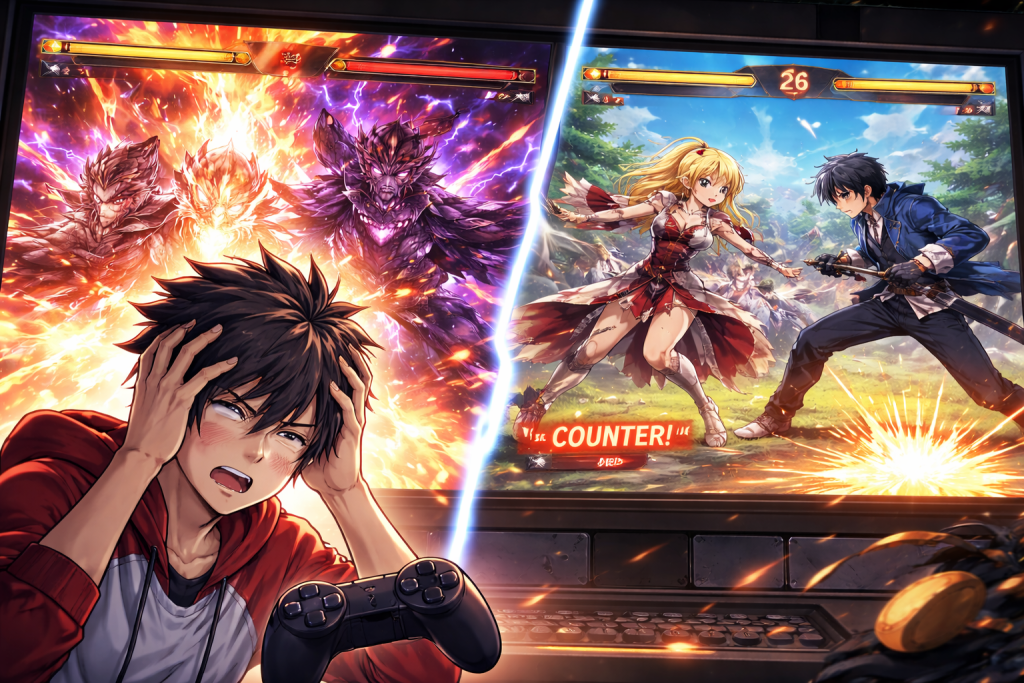
Visual accuracy is one of the most celebrated aspects of anime games. Faithful character models, exaggerated effects, and shot-for-shot recreations of iconic moments are often used as selling points. However, an overemphasis on fan service can come at a significant cost. When visual fidelity takes priority over function, gameplay clarity, balance, and responsiveness frequently suffer. In many anime games, the pursuit of accuracy actively undermines playability.

Taking out a loan in the UK via a service like Pounds to Pocket typically starts with assessing how much you need and what you can realistically afford to repay. You should check your credit report, as lenders use it to determine eligibility and interest rates. Next, compare loan products from banks, building societies, and online lenders, focusing on the Annual Percentage Rate (APR), repayment term, and any fees. Once you choose a suitable loan, you apply by providing personal, financial, and employment details. If approved, review the agreement carefully before accepting. Funds are usually paid into your bank account shortly afterwards


What Fan Service Means in Anime Games

Fan service in anime games refers to design choices aimed primarily at pleasing existing fans rather than improving gameplay. While often associated with cosmetic elements, …

Industry Postmortems

The Curse of the First Entry: Why Some Anime Games Never Recover

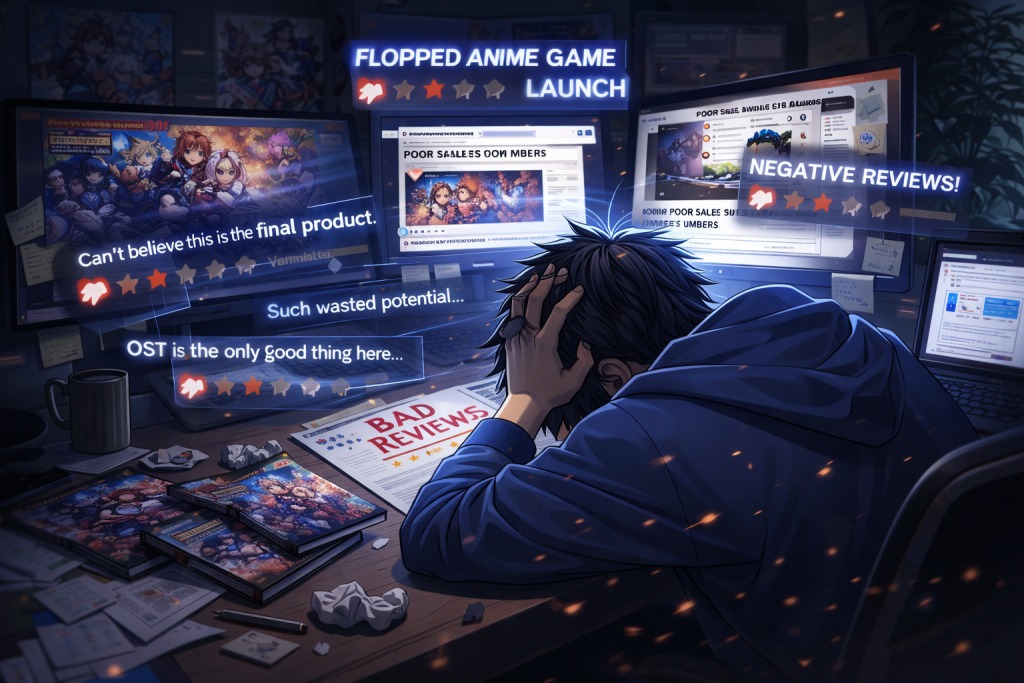
First entries matter more than any sequel. In anime games, a franchise’s debut often establishes expectations that are difficult, and sometimes impossible, to overturn. While many series improve mechanically over time, early missteps can permanently damage trust, visibility, and reputation. Some anime games never recover, not because later entries fail, but because the first one failed too publicly.


Why First Impressions Are So Powerful

A first entry defines a franchise’s baseline. It shapes how players interpret every future announcement, trailer, and release.

Initial impressions tend to establish:

  • Perceived production quality

  • Expected mechanical depth

  • Level of respect shown to the source material

Once these expectations solidify, they become reference points that are difficult to reset.


Launch Reputation and Long-Term Memory

Anime games often launch alongside major media events, amplifying scrutiny. A poor debut does not fade quietly; it becomes part of the franchise’s identity.

Long-term effects include:

  • Persistent scepticism toward sequels

  • Lower pre-order and launch engagement

  • Reduced media coverage

Even strong follow-ups must overcome entrenched narratives rather than start fresh.


Design Debt from Early Decisions

First entries frequently lock in design choices that constrain future development. These decisions may seem minor at launch but accumulate over time.

Examples of lasting design …

Scroll to Top